
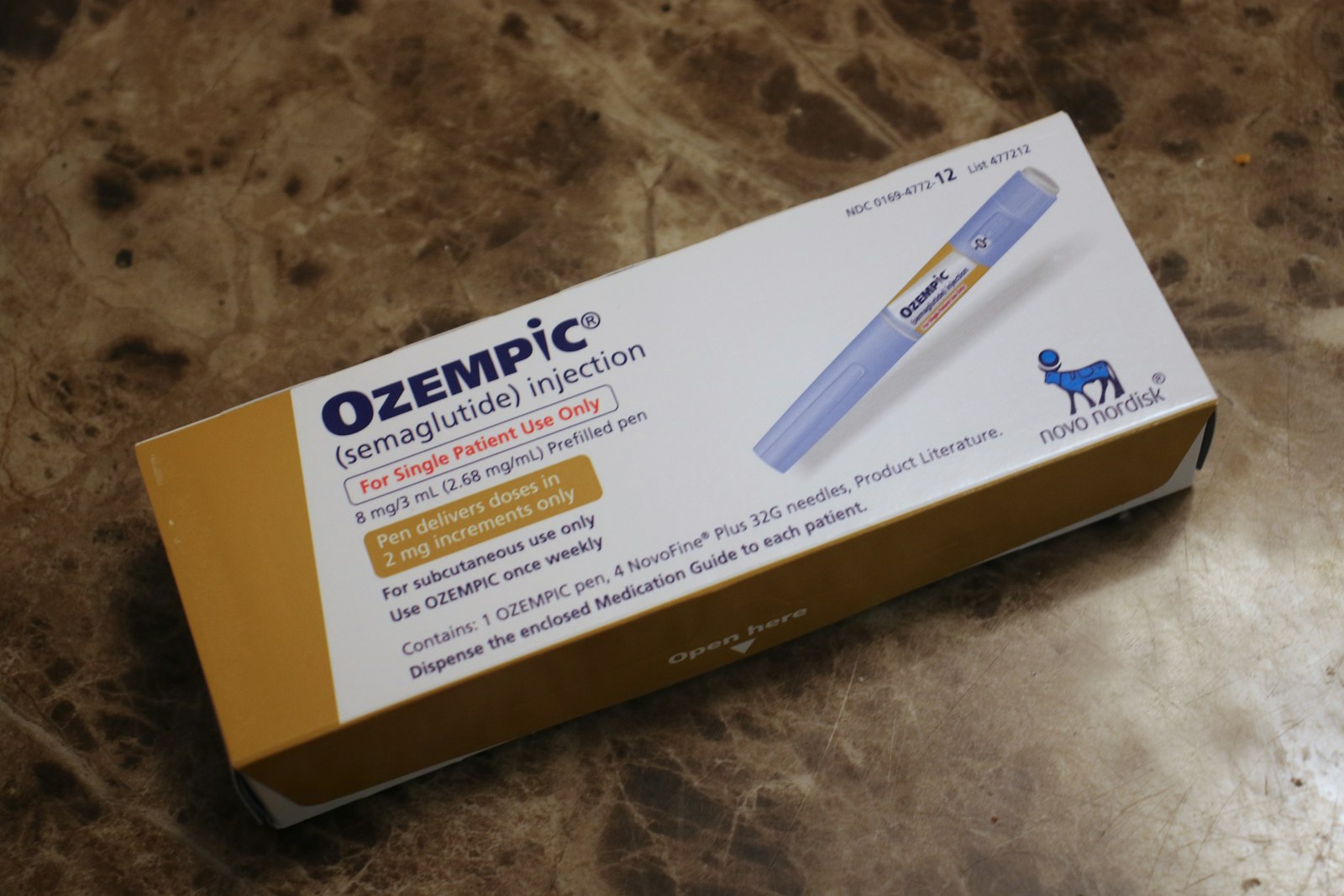
GLP-1s, women and safety: what you need to know before you start, all in one place.
GLP‑1 weight‑loss medications seem to be everywhere right now…showing up in TikTok transformations, news stories, and conversations in clinics and women are often at the center of that buzz.
This guide brings together what you need to know before you start: what these medications are, how to get them safely in Canada, and what midlife women in particular should know about hormones, muscle, and bone. If you are thinking about stopping, read What Happens When You Stop Ozempic?
Before going further, one crucial caveat: there is a growing “infodemic” of misleading GLP‑1 content and outright scams online, from fake celebrity endorsements to counterfeit products and compounded versions that aren’t what they claim.
It is more important than ever to question what you see on social media, double‑check news headlines, and get advice from qualified health professionals before taking any medication or radically changing how you eat. Everyone’s body and health history are different; what helped your friend, influencer, or cousin might not be safe or effective for you.
What GLP‑1 medications actually are
GLP‑1 receptor agonists are drugs that act like a version of a hormone your gut naturally releases after you eat. They:
- Help your body release more insulin and keep blood sugar in a healthier range
- Slow down how quickly your stomach empties, so you feel full longer
- Turn down appetite signals in the brain, which can reduce cravings
They were first used for type 2 diabetes (e.g., Ozempic, Mounjaro). Later, higher‑dose versions (Wegovy, Zepbound) were developed and studied specifically for obesity, in clinical trials often leading to 10 to 20% or more body‑weight loss when combined with lifestyle changes.
The World Health Organization (WHO) issued its first guideline on GLP-1 medicines for obesity in December 2025. It conditionally recommends them for adults with obesity as part of a comprehensive approach that includes healthy eating and physical activity, while highlighting unanswered questions around long-term safety, maintenance and stopping, cost, and who actually gets access.
Why GLP-1s are such a big topic right now
Several forces have come together at once:
- Visible, rapid results: Social feeds are full of before‑and‑after photos and videos showing substantial weight loss, often framed as “finally something that works.”
- Expanding uses: GLP‑1 and related drugs are being used for diabetes and obesity, and studied for heart disease, kidney disease and other metabolic problems, which makes them relevant far beyond “cosmetic” weight loss.
- Global and Canadian guidance:
- WHO recognizes GLP-1s as a treatment option for obesity, while calling out important uncertainties.
- Canada’s Adult Obesity Clinical Practice Guideline (2025 pharmacotherapy update) includes GLP-1 medications as one evidence-based tool for people living with obesity, as part of a broader treatment plan. It also notes that clinical trials consistently show weight regain when treatment stops.
Counterfeit Ozempic and social‑media scams
Alongside legitimate products, there is a growing market for fake and unauthorized GLP-1 products. In January 2026, Health Canada warned that it had found retailers in Canada selling unauthorized GLP-1 products, both in stores and online, some using fake endorsements and misusing official logos.
Health Canada warns that unauthorized or counterfeit GLP-1 products can:
- Contain too much, too little, or none of the active ingredient
- Include unlisted, dangerous, or unknown substances
- Cause infections due to a lack of sterility, allergic reactions, or other serious harm from contamination
Common scam patterns on social media include:
- DMs or posts offering “Ozempic pens” or “slimming injections” via TikTok, Instagram, Facebook, or marketplace sites.
- Fake doctor or celebrity endorsements and “exclusive” discount links.
- “No prescription needed” offers with minimal or fake screening.
- Requests for payment via methods that are hard to trace or recover (crypto, gift cards, peer‑to‑peer apps).
Using counterfeit or unapproved GLP‑1 products can lead to serious poisoning, uncontrolled diabetes, severe side‑effects, infections from contaminated injections, and financial loss.
To protect yourself:
- Only obtain GLP‑1 medications via a prescription from a licensed prescriber and fill it at a regulated pharmacy.
- Treat any social‑media offer or DM selling GLP‑1 drugs as a red flag, no matter how convincing it looks.
- If packaging, the pen, or dosing instructions differ from what your pharmacist explained, stop and ask before using it.
How to get GLP‑1 prescriptions safely
Getting these medications safely starts with the right path:
- Talk to your doctor first. Begin with your family doctor or nurse practitioner and ask whether a GLP‑1 makes sense for your health picture (diabetes, obesity, PCOS, cardiovascular risk, etc.).
- Ask for referral if needed. If they’re not comfortable managing GLP‑1s, ask about referral to an obesity‑medicine or endocrinology specialist who prescribes them regularly.
In your appointment, consider asking:
- What is the main medical reason for using this in my case?
- What are the key risks and side‑effects for someone with my health history?
- How will this interact with my other medications and hormones (birth control, thyroid meds, HRT, antidepressants)?
- How long might I be on this, realistically, and what’s our plan if I need to stop?
- What nutrition, movement, and mental‑health support will I have alongside the drug?
A safe prescriber will review your history, medications, start at a low dose, check in regularly, and help you plan for dose changes or discontinuation…rather than handing over a prescription and disappearing.
Women, menopause, and GLP‑1: what we know so far
For women, especially midlife women, the picture gets a bit more interesting.
Menopause and midlife metabolism
During menopause, many women notice more weight gathering around their middle, along with changes in blood sugar, blood pressure, and cholesterol. GLP-1 medications can help offset some of that for some women. Early research is interesting: in a Mayo Clinic study of postmenopausal women on semaglutide, those also using menopausal hormone therapy lost more weight, and a larger 2026 Mayo Clinic analysis found a similar pattern. These were observational studies, so this is still new territory, not a one-size-fits-all answer.
PCOS, fertility, pregnancy, and breastfeeding
For women with PCOS (Polycystic Ovary Syndrome), GLP‑1s can improve insulin resistance and weight, which may support more regular cycles and, in some cases, fertility. That can be a major win, but it also means unplanned pregnancies can become more likely if contraception isn’t addressed.
Because safety data in pregnancy and breastfeeding are still limited, current advice is to avoid GLP‑1 drugs during pregnancy, while actively trying to conceive, or while nursing, unless you’re under specialist care with a very clear rationale.
Muscle, bone, and aging
Significant weight loss often comes with some degree of muscle loss. For midlife and older women, who are already at higher risk of losing muscle and bone density over time, this matters a lot. Without resistance training and adequate protein, it’s possible to end up at a lower weight but also weaker and more vulnerable to falls, fractures, and future weight regain.
What happens when you stop GLP‑1?
In a follow-up to the STEP 1 semaglutide study, people who took the medication for a little over a year and then stopped regained, on average, about two-thirds of the weight they had lost within 12 months. Their blood sugar, blood pressure, and other health markers also drifted back toward where they were before treatment.
This rebound isn’t a sign that someone “failed” at the medication. It reflects the reality that obesity is a long‑term medical condition and that the body often fights to stay at a higher weight, even after weight loss.
For many women, especially in peri‑ and post‑menopause, seeing weight come back after hard‑won progress can feel really heavy emotionally. That deserves compassion, support, and care…not shame.
For a full guide to coming off these medications, including what real-world data shows and how a gradual taper may help, read What Happens When You Stop Ozempic?
Interactions with food, alcohol, and other medications
Because GLP‑1s slow down how quickly your stomach empties, big, rich, or greasy meals are more likely to make you feel nauseous or uncomfortable. Many people feel better when they:
- Eat smaller, more frequent meals
- Prioritize protein and fibre
- Go easier on very heavy, fried, or ultra‑processed foods
There isn’t a hard “do not drink” rule with alcohol and GLP‑1s, but alcohol can hit harder while you’re on them. People often notice more nausea, get dehydrated faster, and see more ups and downs in their blood sugar.
GLP-1s slow how quickly your stomach empties, which can affect how other pills are absorbed. Some product labels advise extra or non-oral birth control for a period after starting or increasing the dose, so ask your pharmacist or prescriber how your other medications, including birth control and thyroid medication, should be timed.
The bigger economic picture
GLP‑1 medications are pricey, and if lots of people use them for a long time, they can really drive up costs for both public plans and workplace benefits plans. In Canada, many benefits providers are already flagging GLP‑1s as a major new expense for employers.
At the same time, these medications can lower the risk of diabetes complications and heart problems, which may mean fewer hospital stays, fewer disability claims, and better productivity at work.
The overall impact (good or bad) will depend on who is prescribed GLP‑1s, how long they stay on them, and whether they’re combined with support for food, movement, and mental health instead of being treated like a stand‑alone quick fix.
Why critical thinking still matters
Women are big users of GLP-1 medications and soak up tons of GLP-1 content online. But much of what’s floating around on social media is incomplete, misleading, or straight-up wrong…and fake products and scams are popping up more and more.
Media literacy is now part of health literacy:
- Use social posts as a starting point, not your treatment plan
- Double-check claims against credible sources, then run it by your healthcare team
- Remember your situation (age, hormones, health, work, family) makes your path totally unique
For women considering GLP‑1: questions to bring to your clinician
If you’re thinking about GLP-1 medications, or already on one, these questions can help customize a plan that actually fits your life:
- What’s my main health goal here? (for example: diabetes, heart protection, weight loss, PCOS, or something else)
- How do I protect my muscle and bone health while the weight comes off?
- How does this line up with my life stage? (perimenopause, menopause, trying to get pregnant, postpartum, caregiving, work stress)
- How long might I realistically need this, and what’s my exit strategy if I stop?
- How do I tweak and track my other meds, alcohol, and mental health along the way?
Since long-term data (especially for women using these mostly for weight loss) is still pretty limited, the best advice is clear: don’t start or stop on your own. Always loop in a licensed healthcare pro who gets your full picture.
Free: your 14-day symptom tracker
“I just don’t feel like myself” isn’t enough to get answers. See It. Track It. Say It. helps you track your symptoms for 14 days, spot the patterns, and walk into your next appointment with something concrete to show. Free, and in your inbox in a minute.
Want to talk it through with me? Book a free 30-minute discovery call.
Deneatra Ford, RHC, CHNP, is a Certified Holistic Nutrition Practitioner and founder of Smart Wellness Canada Ltd. After more than 20 years in corporate leadership, she now supports midlife women and the organizations they work for across Canada.
This article is for education only and isn’t medical advice. Talk with your healthcare provider about what’s right for you.
Sources
- World Health Organization, WHO issues global guideline on the use of GLP-1 medicines in treating obesity (Dec 2025)
- Obesity Canada, Canadian Adult Obesity Clinical Practice Guideline: Pharmacotherapy (2025 update)
- Pedersen SD et al., Pharmacotherapy for obesity management in adults: 2025 clinical practice guideline update, CMAJ 2025
- Health Canada public advisory: Beware of fake or unauthorized GLP-1 products (Jan 2026)
- Wilding JPH et al., Weight regain after withdrawal of semaglutide: STEP 1 trial extension, Diabetes Obes Metab 2022
- Mayo Clinic retrospective cohort study: semaglutide in postmenopausal women with and without hormone therapy, Menopause 2024 (PMC)
- Healio: Hormone therapy plus GLP-1 may equal greater weight loss for menopausal women (Mayo Clinic, Oct 2026)
Leave a Reply